The Daniel R. Lewis Composer Fellows
The Cleveland Orchestra’s Daniel R. Lewis Composer Fellowship has showcased several important new voices in the concert hall. Learn more about these composers here.
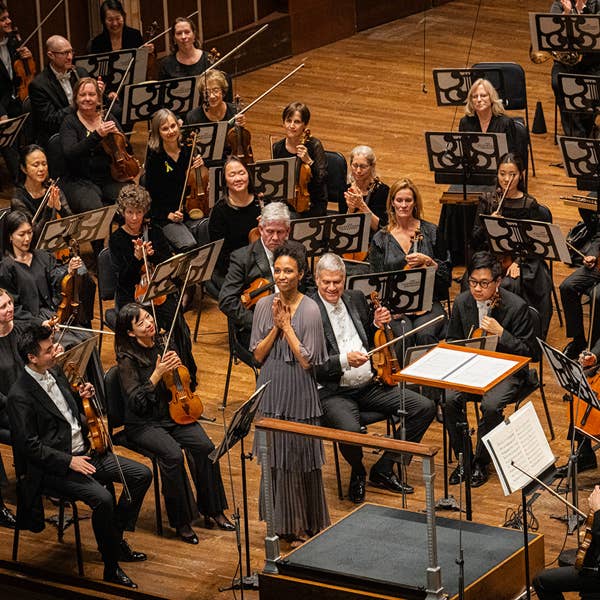
Founded in 1997, the Daniel R. Lewis Composer Fellowship exemplifies The Cleveland Orchestra’s longstanding commitment to promoting and performing new music. The program was designed to introduce a series of important new voices into the concert hall, and its ongoing success has helped audiences understand music as a living language that evolves with each generation.
Each Fellow, selected by the Orchestra’s Music Director, serves for at least two seasons, and is in residence for a minimum of two weeks each year — participating in rehearsals, performances, masterclasses, and other education activities. The Fellowship involves performances of one or more of the composer’s preexisting works, followed by the commissioning and premiere of a brand-new work created especially for The Cleveland Orchestra. Commissions are made possible through the Young Composers Endowment Fund established with a generous gift from Daniel R. Lewis.
Marc-André Dalbavie, France (1998–2000)
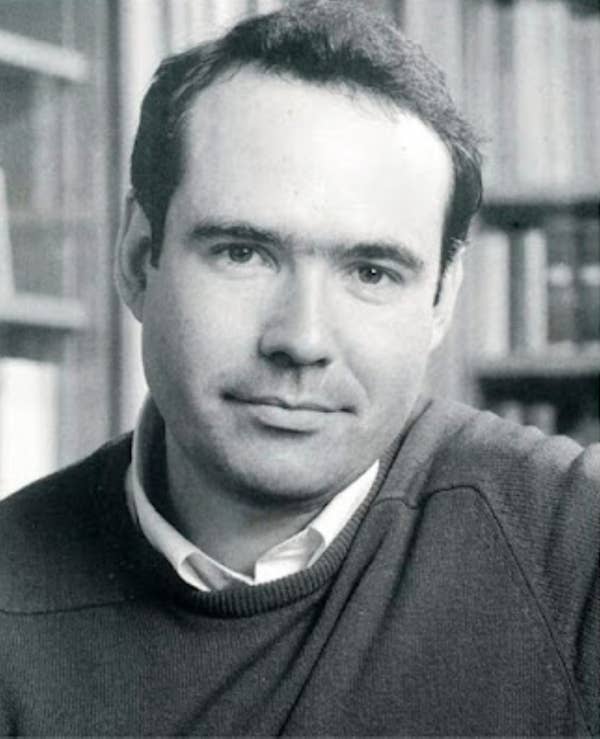
Marc-André Dalbavie was the first composer selected for the Daniel R. Lewis Composer Fellowship. Prior to his partnership with The Cleveland Orchestra, he studied with Marius Constant at the Paris Conservatory before stepping into a faculty role. Dalbavie also assisted in the music research department at the IRCAM in Paris, where he learned the basics of electronically generated sound. Upon his appointment, Dalbavie’s conducting mentor and the Orchestra’s frequent guest conductor, Pierre Boulez stated: “I am so very pleased that my colleague will be the first Lewis Fellow with The Cleveland Orchestra. This is an extraordinary ensemble, and I believe that the interchange between musicians and composer will yield some very special music.”
Dalbavie’s commissioned work Concertante il suono (2000) premiered under Boulez’s direction on May 4, 2000. His music experimented with spatial sound distribution and spectral harmonics, an emerging mode of composition that focused on acoustic properties (timbre and overtones) rather than melody or harmony. The work was scored for a main orchestral group and four smaller “concertinos” consisting of different instrumental combinations scattered throughout Mandel Concert Hall. As the music progressed, it revealed “the gradual integration of these various groups until they become completely unified in character.”
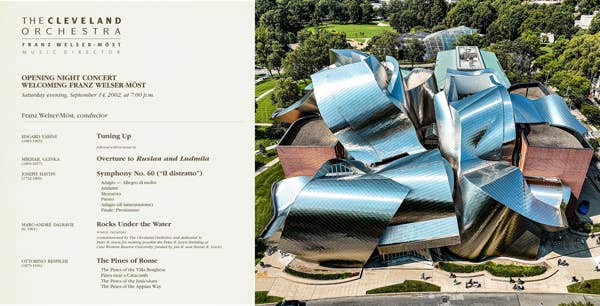
Dalbavie maintained his ties to Cleveland throughout the early 2000s. His work Rocks Under the Water (2002) was commissioned by The Cleveland Orchestra and conducted by incoming Music Director Franz Welser-Möst at his inaugural concert on September 14, 2002. This premiere also marked the completion of the Peter B. Lewis Building at Case Western Reserve University. Designed by Frank Gehry, its fluid architecture inspired the composition’s evocative title.
Matthias Pintscher, Germany (2000–02)
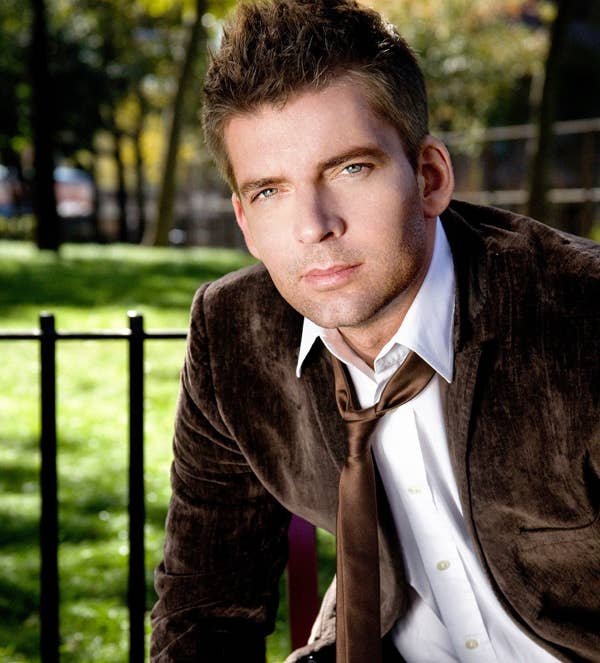
The second Lewis Fellow, Matthias Pintscher, was chosen by former Music Director Christoph von Dohnányi at the start of the new millennium. Mentored by Boulez, Péeter Eötvös, and Hans Werner Henze, Pintscher displayed a talent for composition from a young age. He approached music as “imaginary theater,” and his works often employed unexpected instrumental combinations.
Indeed, the complex soundscape of Pintscher’s with lilies white: fantasy for orchestra and voices (2002) demonstrated the boundless potential of 21st century symphonic music. Its modern scoring incorporated electric guitars, special performance techniques, and improvisatory elements that left parts of the performance up to chance. The text for this commissioned work came from two sources written nearly four centuries apart: the contemplative words of Renaissance composer William Byrd and those of the 20th-century English filmmaker Derk Jarman. Conducted by Dohnányi on May 16, 2002, this world premiere marked one of his final appearances as The Cleveland Orchestra’s Music Director.
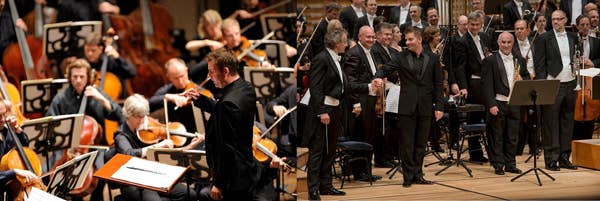
Pintscher has since achieved international acclaim as a composer-conductor; and he remains a perennial favorite of Cleveland audiences. In June 2010, the Orchestra invited Pintscher to guest-conduct a special Composer’s Connect concert that presented encore performances of all the Lewis Fellowship commissions written during the past decade. Pintscher reunited with the Orchestra once again in Lucerne in 2012, where his Chute d’étoiles featured the talents of Principal Trumpet Michael Sachs and trumpet Jack Sutte.
Susan Botti, United States (2003–05)
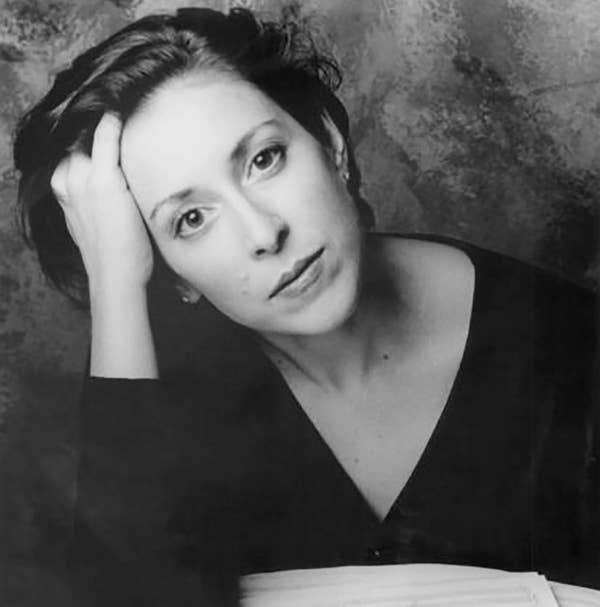
A long-time resident of Cleveland, Susan Botti was the Orchestra’s third Daniel R. Lewis Fellow and the first woman selected for the Fellowship. Originally trained in vocal performance, her wide-ranging experience in opera, experimental theater, and vocal jazz provided Botti with the skills to both compose and perform her own works. Just prior to her Lewis Fellowship appointment, Botti accomplished this notable feat with the Orpheus Chamber Orchestra and New York Philharmonic.
During Botti’s time with The Cleveland Orchestra, the ensemble premiered two of her compositions, Impetuosity (2003) and Translucence (2005). In marked contrast to the exuberant rhythmic energy of the former, Translucence displayed more introspective qualities inspired by the writings of May Swenson, a mid-century American poet. The composer noted: “For my commission from The Cleveland Orchestra, I wanted to create a strongly lyrical piece. The words/images of ‘The Exchange’ and my previous musical setting of it [for tenor and harp] became the materials with which I would explore the poem on a symphonic scale.” Music Director Franz Welser-Möst conducted the world premiere on May 19, 2005.
Julian Anderson, United Kingdom (2005–07)
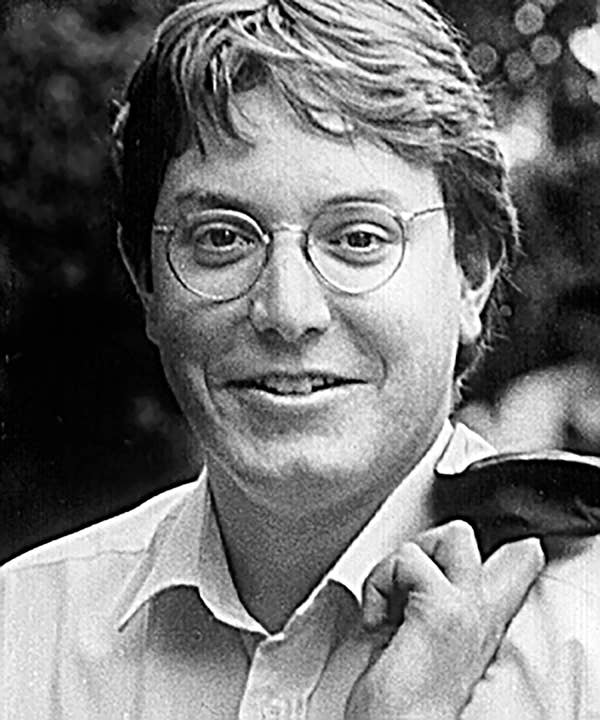
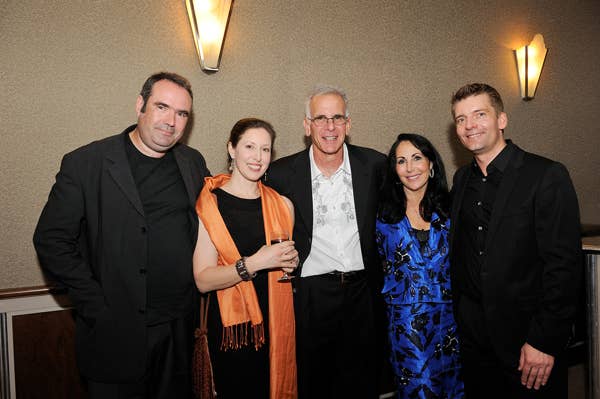
When Julian Anderson received the fourth Lewis Fellowship, his career was rapidly gaining traction on both sides of the Atlantic. In fact, his music was not entirely unknown to Cleveland audiences, since guest composer-conductor Oliver Knussen had given the US premiere of The Stations of the Sun (1998) at Severance in 1999.
The world premiere of Anderson’s Lewis commission, titled Fantasias (2009), was led by English-born guest conductor Jonathan Nott on November 19, 2009. Marked by sudden twists of instrumental color and structural forms, this multi-movement composition showcased The Cleveland Orchestra’s virtuosity. Anderson wrote: “For all its wild contrasts, Fantasias is a celebration of the modern symphony orchestra, of which The Cleveland Orchestra is a world-class example. Knowing I was writing for this wonderful orchestra allowed me a completely free hand whilst composing.” This admiration was both mutual and enduring, because the Orchestra would ultimately co-commission another work from Anderson a decade later. Conducted by Semyon Bychkov in December 2023, the Orchestra gave the US premiere of Symphony No. 2, “Prague Panoramas” (2022), a composition inspired by the vibrant architecture and traditions of Czech culture.
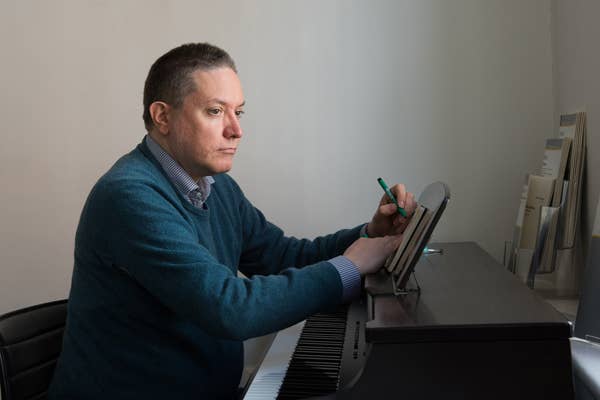
Johannes Maria Staud, Austria (2007–09)
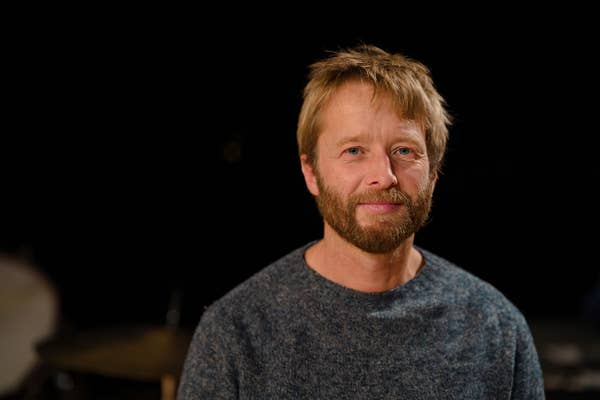
Johannes Maria Staud was the fifth composer to join the roster of Daniel R. Lewis Fellows, thus marking the beginning of a fruitful artistic collaboration with The Cleveland Orchestra. His commission, On Comparative Meteorology (2009) is the first of two orchestral works inspired by the life and stories of Bruno Schulz, the mid-20th century Polish-Jewish writer and graphic artist. Through Staud’s dazzling combinations of instrumental texture and timbre, the score certainly conjures the imaginative scope of Schulz’s narrative worlds. The world premiere was conducted by Franz Welser-Möst on May 28, 2009. Leading up to this event, Staud also fulfilled the Lewis Fellowship’s community outreach initiatives by participating in Composer Forums at Oberlin, Cleveland State University, and the Cleveland Institute of Music.
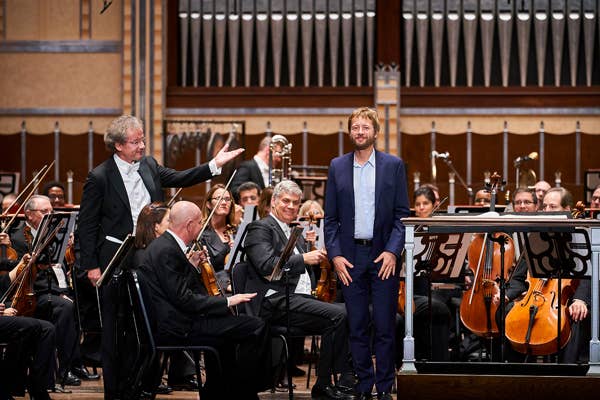
In the years following, Staud has benefitted from the supportive network he gained through his Lewis Fellowship. Welser-Möst and The Cleveland Orchestra have since given the US premieres of two other Staud compositions: Stromab (2016) and Whereas the reality trembles (2022), a percussion concerto written for Christoph Sietzen. Inspired by Algernon Blackwood’s classic short story The Willows, the picturesque Stromab received performances at Severance and Carnegie Hall, and it can be heard on A New Century, the Orchestra's inaugural release on its own recording label. A collaboration with IRCAM and the Ensemble Intercontemporain also led the composer to cross paths with former Lewis Fellow Matthias Pintscher, who conducted the world premiere of one of Staud’s works at the 2021 ManiFeste festival.
Jörg Widmann, Germany (2009–11)
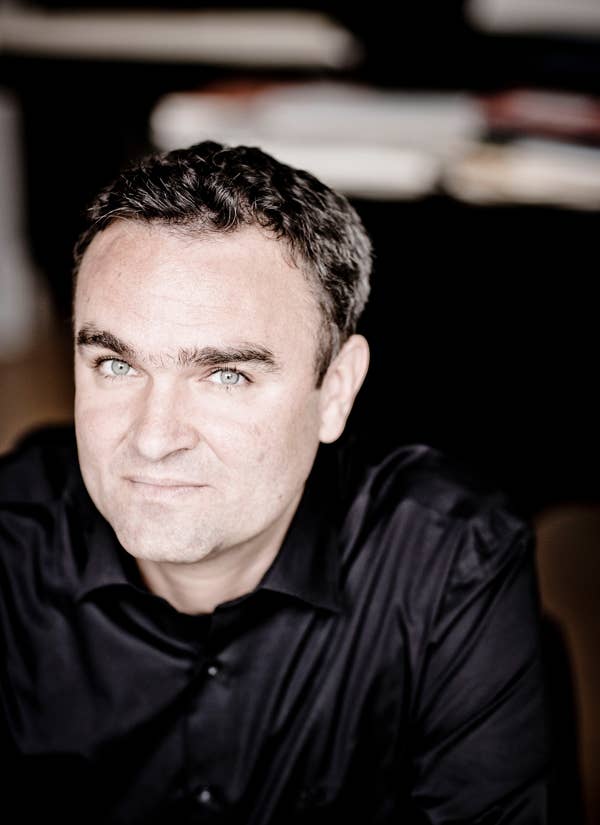
Jörg Widmann, the sixth Daniel R. Lewis Fellow, brought a wealth of experience as a composer, clarinetist, and conductor. Selected in 2009, Widmann had recently made his compositional debuts with the Vienna Philharmonic, Deutsch Philharmonie, and Bavarian Radio Symphony Orchestra while holding dual professorships from the Freiburg Staatliche Hochschule für Musik.
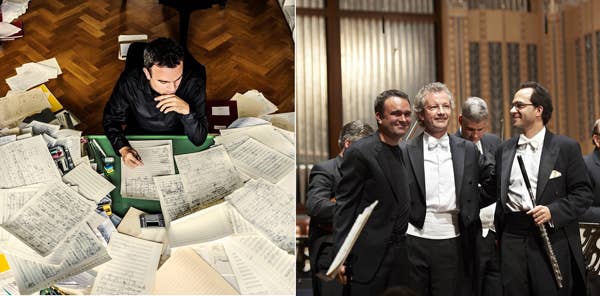
Widmann’s Lewis Fellowship got off to an equally auspicious start when Welser-Möst programmed his pre-existing work Chor für Orchester (2004) on the Orchestra’s 2009 European concert tour, where it received performances at the Concertgebouw, Philharmonie Luxembourg, and the Vienna Musikverein. His commissioned work, Flûte en suite (2011) was premiered during the final concert of the 2010–11 season. Structured as a series of eight dance forms, this concerto for solo flute and orchestral groupings demonstrated the individual colorings of each instrument section before presenting the full ensemble in its final movement. Through it all, the solo flute acts as “the provider of all impulses,” determining the timbral qualities and varying its performance as it “becomes suffused with these colors and thereby shines in different lights.” In fact, Widmann composed the work with the “exciting dark timbre” of Principal Flute Joshua Smith in mind.
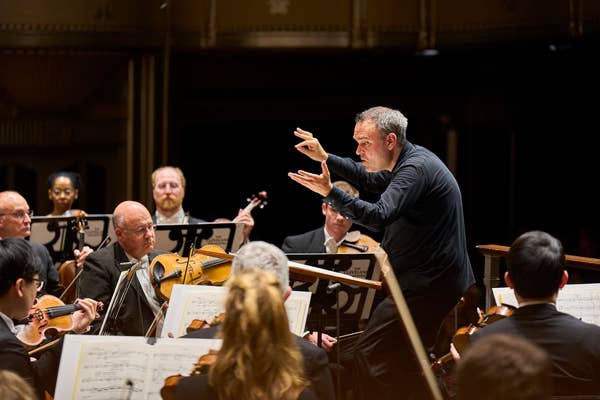
Widmann’s influence in Cleveland remains particularly strong as the Orchestra has programmed multiple compositions featuring his frequent artistic collaborators Yefim Bronfman, Christian Teztlaff, and Antoine Tamestit. At the end of the 2025-26 season, Widmann returns to Severance to guest conduct the US premiere of his Danse macabre (2022).
Sean Shepherd, United States (2011–13)
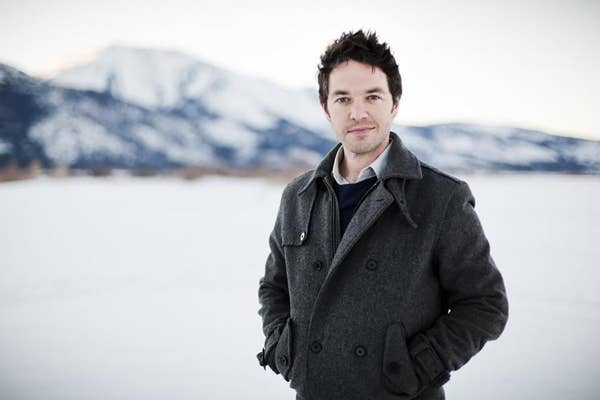
American composer Sean Shepherd was the seventh Daniel R. Lewis Fellow. Upon his acceptance into the program, Shepherd was concurrently serving as the composer-in-residence for his hometown orchestra, the Reno Philharmonic, while his works steadily gained recognition within the US and abroad. As part of his responsibilities with The Cleveland Orchestra, Shepherd participated in their 2012 Miami Residency, where he met with students at the Frost School of Music and attended performances of his pre-existing compositions, Aperture in Shift (2006) and Wanderlust (2009).
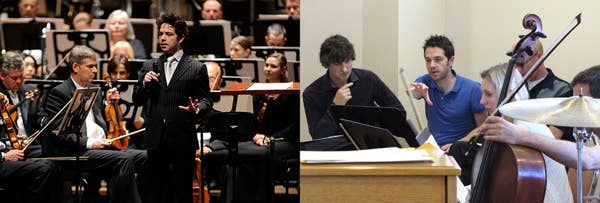
The world premiere of Shepherd’s commissioned work Tuolumne (2013) occurred on April 18, 2013, under the direction of Franz Welser-Möst. Its title (pronounced “two-ALL-um-knee”) is from the Native American Miwok language and references an expansive meadow located within Yosemite National Park. While composing this music, Shepherd was inspired by three images captured by the American landscape photographer Ansel Adams. Its three movements correspond with the photos “Untitled (Water Over Rock),” “Winter Sunrise,” and “Merced Lake Country,” and they are “best understood,” the composer explains, “as emotional responses to these works of art.” In acknowledgment of the Orchestra’s talented musicians, Shepherd incorporates several soloistic passages that “explore the coloristic possibilities presented both among and within sections.”
Ryan Wigglesworth, United Kingdom (2013–15)
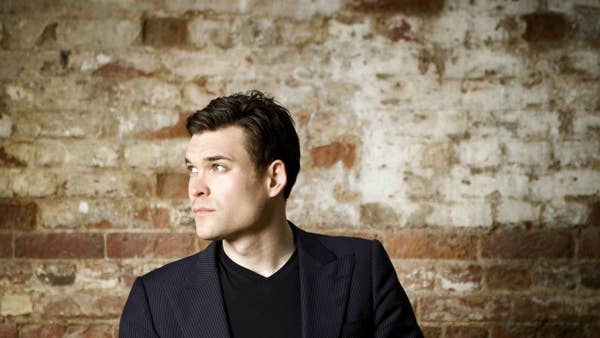
The eighth Daniel R. Lewis Fellow, Ryan Wigglesworth, worked closely with the BBC Symphony Orchestra and Nederlands Philharmonisch Orkest prior to his assignment in Cleveland. His symphonic choral work, Locke’s Theater (2013), was a modern reinterpretation of Shakespearean incidental music. Originally commissioned by the Aldeburgh Festival to celebrate the centennial of Benjamin Britten’s birth, the combined forces of The Cleveland Orchestra, The Cleveland Orchestra Chorus, and The Cleveland Orchestra Children’s Chorus performed the US premiere in March 2014.
Wigglesworth’s Lewis commission, Études-Tableaux (Study Pictures), (2014) premiered under the baton of Franz Welser-Möst on January 16, 2015. Its steady progression of shifting musical ideas reflected the composer’s decision to revise an earlier abandoned work and reconstruct it to suit the Orchestra’s talents. He described the piece as having ‘little windows’ of thematic and harmonic ideas join up to make an arc.” Like its winding path to completion, the Études-Tableaux gradually transforms contrasting instrumental gestures, such as a brass chorale and extended woodwind solos, into a cohesive whole.
Anthony Cheung, United States (2015–17)
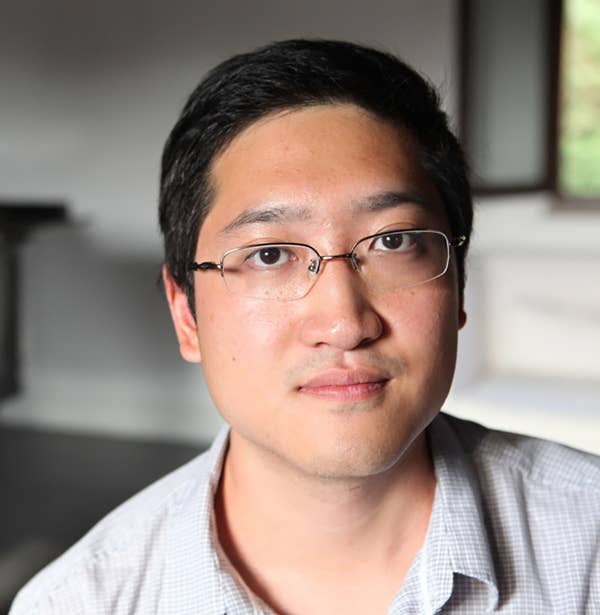
Born in San Francisco, Anthony Cheung was the first composer of East Asian heritage selected for the Daniel R. Lewis Fellowship. Before working as the Lewis Fellow, Cheung composed Lyra (2013) on commission from the New York Philharmonic; this contemporary retelling of the Orphic myth later received repeat performances by The Cleveland Orchestra.
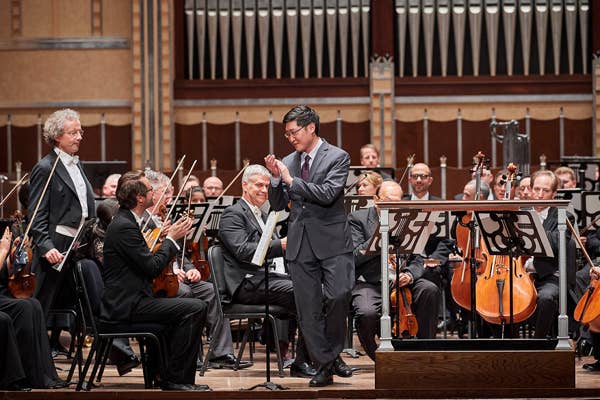
On May 18, 2017, concert attendees were treated to the world premiere of Cheung’s Topos, directed by Franz Welser-Möst. Composed for a full symphony orchestra equipped with a massive percussion section, Topos was Cheung’s largest-scale work at the time. Its four movements reference a series of recurring representational tropes or “topics” that use special musical characteristics to articulate specific ideas or moods throughout the Western classical repertoire. An avid admirer of signs and symbols, Cheung observed: “The reason why these musical topics are relatable is because they are part of our collective historical consciousness as listeners, while also speaking to shared human conditions.”
Bernd Richard Deutsch, Austria (2018–21)
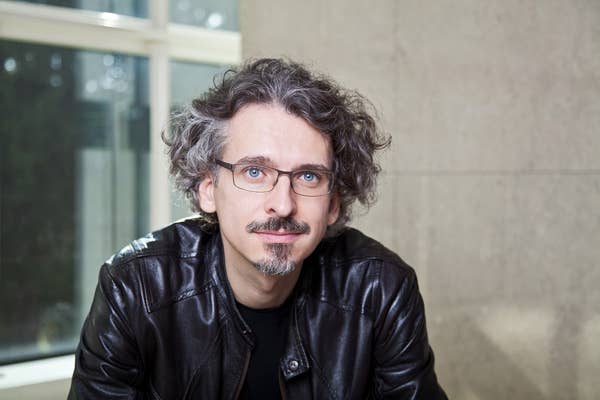
Bernd Richard Deutsch, the tenth Daniel R. Lewis Fellow, received a multi-faceted education in composition, piano, bassoon, and electro-acoustic music from the Vienna University of Music and Performing Arts. During his first season as the Lewis Fellow, Franz Welser-Möst programmed Okeanos (2014), his concerto for organ and orchestra. The US premiere was performed by soloist Paul Jacobs on the Norton Memorial Organ, and it was included as an example of the Orchestra’s evolving artistry on their A New Century album, released in 2020.
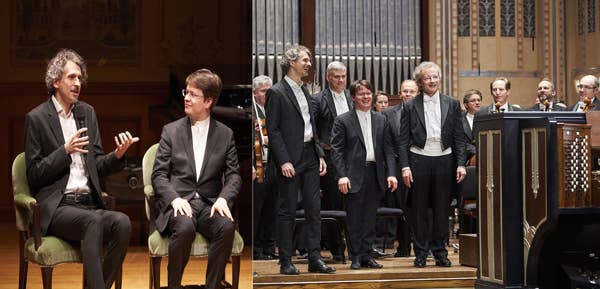
Deutsch composed Intensity (2020) to express “a quality or state of experience that I expect from life as well as from art in general.” His description “reflects on my encounter with The Cleveland Orchestra and with Franz Welser-Möst to whom the piece is dedicated.” Written on the eve of the COVID-19 pandemic, the world premiere of Intensity did not occur until January 2022, however, its three movements fittingly represented the dynamic range of human emotions as expressed through the lenses of optimism, introspection, and euphoria.
Since his time as the Lewis Fellow, Deutsch has strengthened his artistic partnership with the Orchestra. This past season, he completed another monumental work for the ensemble and The Cleveland Orchestra Chorus. Conceived as a co-commission with the NDR Elbphilharmonie Orchestra, Urworte (2024) was inspired by the poetry of Johann Wolfgang von Goethe. Welser-Möst conducted the US premiere in September 2025.
Allison Loggins-Hull, United States (2022–25)
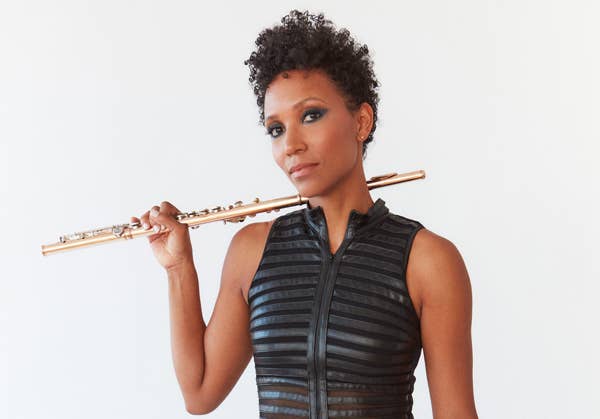
As the eleventh Daniel R. Lewis Fellow, Allison Loggins-Hull was deeply committed to revitalizing musical collaborations within the Cleveland community. Drawing upon her multifaceted experience as a composer, flutist, and producer, she curated the In Community Chamber Concert Series which highlighted Cleveland Orchestra musicians and local participants from the H.K. School of Bandura, Fatima Family Center, and Karamu House. Speaking of her involvement, Loggins-Hull stated: “The most beautiful aspect of my appointment… has been the opportunity to learn from and collaborate with people of varying generations and diverse communities across the city of Cleveland.” This concert series ultimately brought all of these musicians together for a grand finale on the Severance stage
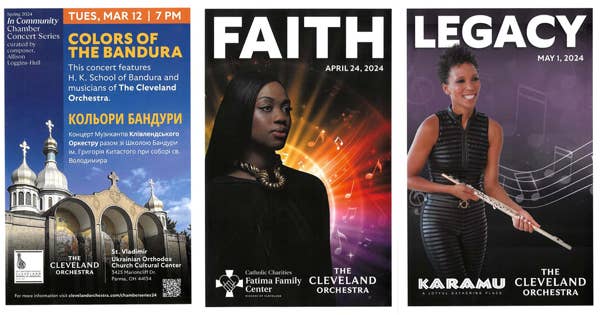
Loggins-Hull’s engaging approach proved transformative for herself, her audiences, and The Cleveland Orchestra. Citing the “priceless” opportunity to work with the city and its musicians, she even requested that her Lewis Fellowship be extended for another year. Over the course of Loggins-Hull’s three-year tenure, she composed music for three world premieres. In May 2023, Franz Welser-Möst conducted the first performances of Can You See?, an orchestral arrangement of a pre-existing chamber work. In this piece, the familiar melody of The Star-Spangled Banner is manipulated through rhythmic and timbral distortion as if questioning its lyrical significance. Her chamber work for string sextet, titled Legacy (2024), was inspired by the In Community Concert collaborations and premiered by Orchestra musicians at the culminating joint recital held at Severance.
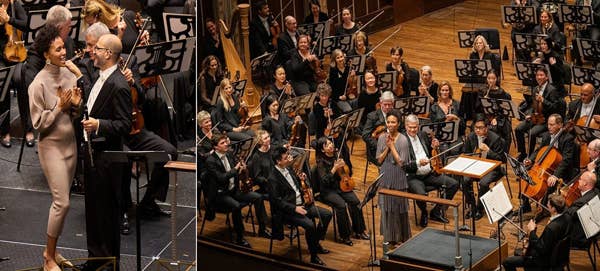
The conclusion of Loggins-Hull’s Lewis Fellowship corresponded with the May 2025 world premiere of Grit. Grace. Glory. (2025), a piece truly written “for The Cleveland Orchestra — this specific orchestra and this specific place, [with] its own energy and rhythm.” The composition unfolds as a touching homage to the city of Cleveland, and incorporates several musical elements tied to its industrial past, Great Lakes shoreline, Midwestern values, and rock n’ roll heritage. As Loggins-Hull reflected in her program notes: “While the stories and individuals that shaped this music are uniquely Cleveland, the values and sentiments I’ve absorbed — grit, grace, and glory — are qualities that resonate universally.” A portrait album of her Lewis commissions, titled Loggins-Hull: The Cleveland Residency is now available to stream on Adella.live, the Orchestra’s digital home.
Tyler Taylor, United States (2025–28)
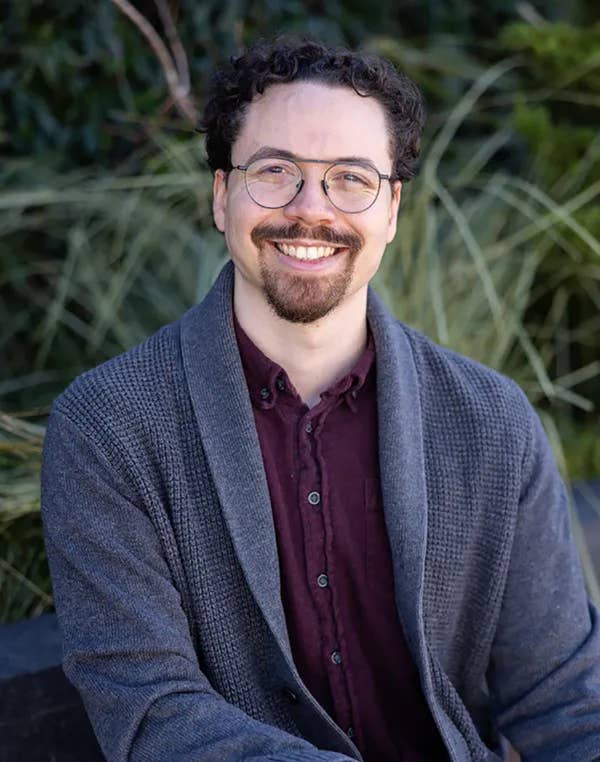
The latest Daniel R. Lewis Composer Fellow, Tyler Taylor, is in the midst of his three-year term with The Cleveland Orchestra. A native of Louisville, KY, Taylor holds composition, theory, and horn teaching positions at Bellarmine University and the Louisville Academy of Music. He is also a recent winner of the San Francisco Symphony’s Emerging Black Composer’s Project and the founder of the Louisville Orchestra Young Composer Program, an educational opportunity engineered for public school children to learn the basics of composition and have their creations performed by professional musicians.
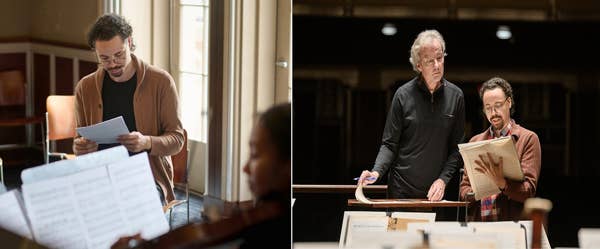
This spring, Taylor directed his composition workshop with eight members of The Cleveland Orchestra Youth Orchestra (COYO). The selected participants were taught the fundamentals of orchestration, including harmony, rhythm, and texture, before moving into interactive sessions with students from the Cleveland Institute of Music. Throughout the entire process, Taylor helped guide the young composers, educating them on idiomatic instrumental techniques, facilitating interactions with the performing musicians, and providing personalized feedback. Each workshop participant composed short pieces that were played in sessions, workshopped, and ultimately performed by COYO musicians in Reinberger Chamber Hall ahead of the final May 2026 COYO Concert.
Thus far, The Cleveland Orchestra has performed two of Taylor’s pre-existing works. Earlier this season, Franz Welser-Möst conducted Permissions (2020), a piece that rebalances the typical orchestral hierarchy to favor the wind and brass timbres which Taylor knows so well. Pre-concert attendees were also able to hear his chamber composition Just Dreams (2021) for flute, English horn, bass clarinet, vibraphone, and strings. As part of his Lewis Fellowship, Taylor is anticipated to compose two new orchestral works for The Cleveland Orchestra and COYO by the end of the 2027–28 season.
Ina McCormack is the 2025–26 Archives Research Fellow. The fellowship is an opportunity for PhD music students from Case Western Reserve University to work in The Cleveland Orchestra Archives.